
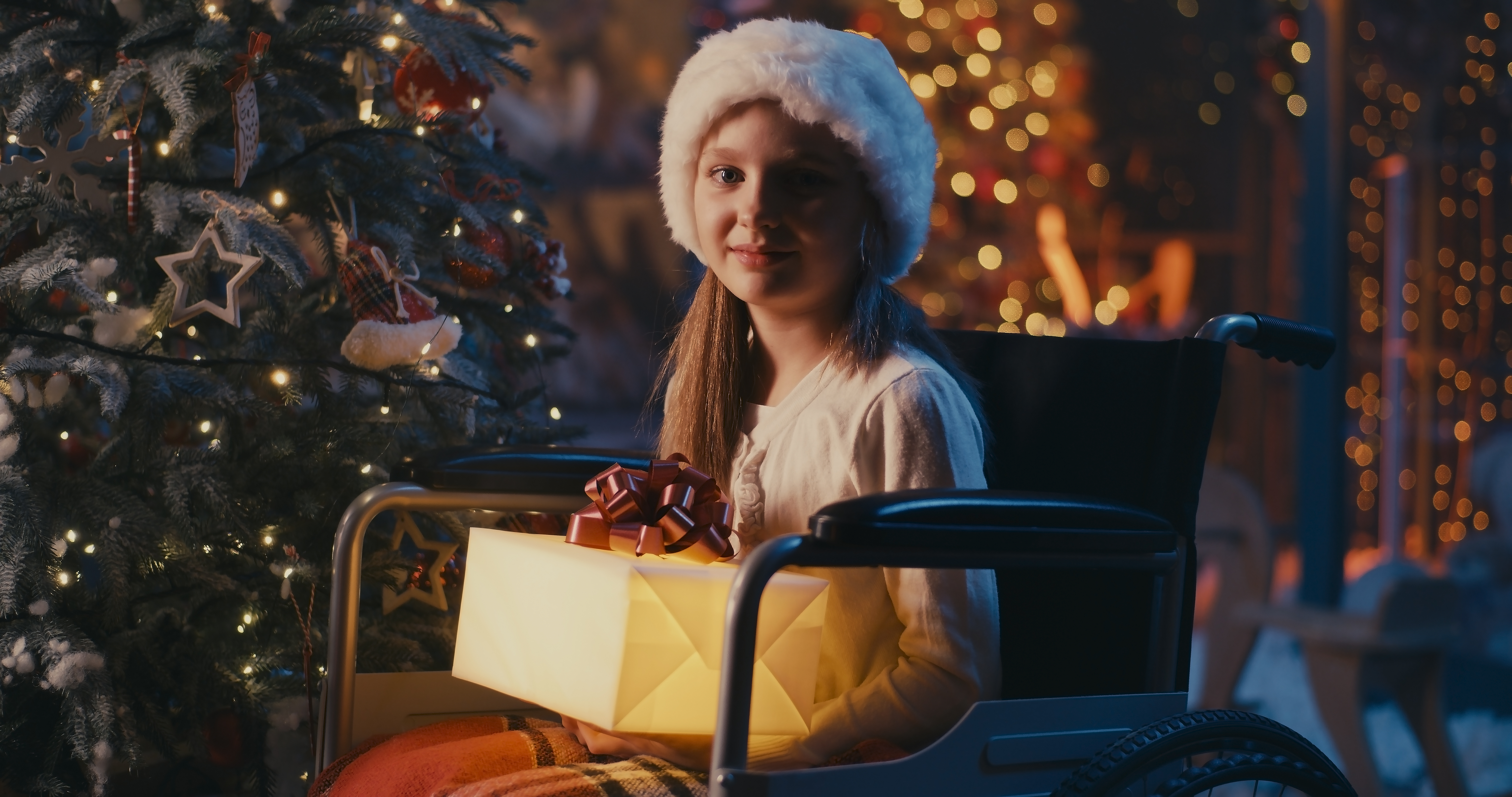
The holidays are a time for gathering with family and friends, sharing traditions, and making memories. But for people with disabilities, holiday celebrations can sometimes come with barriers that make participating difficult.
At the Southern Nevada Center for Independent Living (SNCIL), we know that inclusion doesn’t have to be complicated. Often, a little planning, open communication, and a willingness to make adjustments can help everyone feel welcome.
Whether you’re hosting Thanksgiving dinner, organizing a holiday party, or planning a community event, here are some ways to make your celebrations more accessible and inclusive.
Start by Asking, Not Assuming
One of the easiest ways to create an inclusive gathering is to ask guests what they need to participate comfortably.
Don’t assume you know what someone can or cannot do based on their disability. Instead, invite them to share any accessibility needs or preferences ahead of time.
A simple question like, “Is there anything we can do to make the gathering more comfortable or accessible for you?” shows that you value their participation.
Remember, people with disabilities are the experts on their own needs.
Make Your Space Accessible
Before guests arrive, take a look at your gathering space from an accessibility perspective.
- Make sure entrances, walkways, and doorways are clear of obstacles
- Provide enough space for people using wheelchairs, walkers, or other mobility devices
- Consider whether restrooms are accessible
- Arrange seating so everyone can participate in conversations and activities
- Keep decorations, cords, and other potential tripping hazards out of pathways
If your home or venue has accessibility limitations, communicate those in advance so guests can make informed decisions. When possible, consider an alternative location that works for everyone.
Consider Sensory Needs
Holiday celebrations can be full of bright lights, loud music, crowded rooms, and overlapping conversations. For some people with disabilities, these environments can be overwhelming.
Creating a more comfortable atmosphere might mean lowering the music, avoiding flashing decorations, or providing a quiet space where guests can take a break.
It can also help to share the event schedule ahead of time so guests know what to expect.
Small adjustments can make a big difference without taking away from the celebration.
Make Communication Easier
Good communication helps everyone feel included.
When planning your gathering, consider the different ways people communicate. Some guests may use sign language, communication devices, written messages, or other methods.
- Face people when speaking and avoid covering your mouth
- Keep background noise at a manageable level
- Provide written information when helpful
- Ask guests about their preferred communication methods
- Allow extra time for conversations when needed
Most importantly, speak directly to the person with a disability rather than automatically addressing a companion, caregiver, or interpreter.
Think Beyond the Gathering Itself
Accessibility starts long before someone arrives at your door.
Transportation can be a significant barrier, especially during busy holiday periods. When inviting guests, consider whether accessible transportation is available and whether the gathering’s start and end times work with transportation schedules.
Food is another important consideration. Asking about dietary needs, food allergies, and preferences can help ensure everyone has options they can enjoy.
And remember that not everyone celebrates the same holidays or follows the same traditions. Creating an inclusive environment also means respecting different cultures, beliefs, and personal choices.
Include Everyone in the Fun
Holiday activities should offer opportunities for everyone to participate.
If you’re planning games, crafts, gift exchanges, or other activities, consider whether they can be adapted for different abilities.
Offer choices rather than expecting everyone to participate in the same way. Someone might enjoy helping prepare a meal, selecting music, sharing a favorite tradition, or simply spending time with others.
The goal isn’t to make everyone do the same thing. It’s to make sure everyone has the opportunity to participate in ways that are meaningful to them.
Respect Independence and Personal Boundaries
The holidays often bring people together who haven’t seen each other in a while. While these reunions can be wonderful, they’re also a good reminder to respect personal boundaries.
Always ask before providing assistance, touching someone’s mobility equipment, or making decisions on their behalf.
Avoid asking intrusive questions about someone’s disability or health. And don’t assume that someone needs help simply because they do something differently.
Respecting independence, choices, and personal space is an important part of making everyone feel comfortable and valued.
A Season of Connection and Belonging
The most meaningful holiday celebrations aren’t necessarily the biggest, fanciest, or most elaborate. They’re the ones where people feel welcome, respected, and connected.
Accessibility and inclusion aren’t just about accommodations. They’re about recognizing that everyone deserves the opportunity to participate in family traditions, community activities, and the moments that bring us together.
This holiday season, take a little extra time to consider how your gatherings can be more welcoming to everyone.
Because the holidays are better when everyone has a place at the table.
At the Southern Nevada Center for Independent Living, we support people with disabilities in living independently and participating fully in their communities. If you or someone you know needs information about Independent Living services, accessibility, or community resources, we’re here to help.