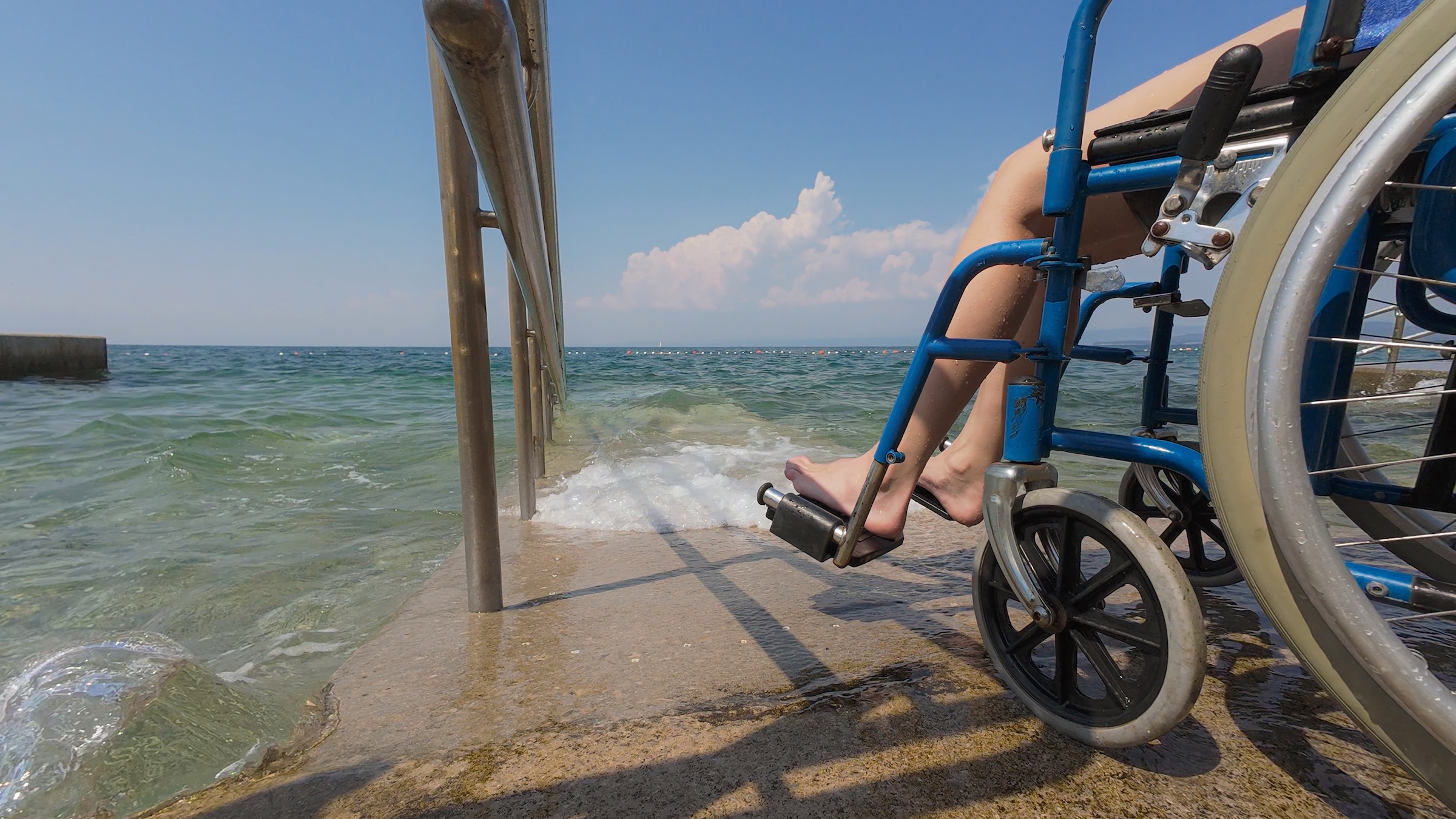
assistant pushing a woman with disability in a wheelchair into the wavy sea across an accessible beach ramp, to relax during summer vacation

Planning an Accessible Summer Adventure

Summer is the perfect time to get outside, explore new places, and spend time with family and friends. Whether you’re planning a day trip, a weekend getaway, or simply looking for a new park to visit, a little preparation can help make your adventure enjoyable and accessible.

Nevada is home to incredible landscapes, lakes, trails, and parks. With the right information and resources, people with disabilities can experience many of these destinations with greater confidence and independence.

Start with Accessibility in Mind

Before heading out, take a few minutes to research your destination.

Questions to consider include:

  • Are accessible parking spaces available?
  • Are restrooms accessible?
  • Are trails paved or hard-packed?
  • Are picnic areas wheelchair accessible?
  • Are service animals welcome?
  • Is there reliable cell service?
  • Are there shaded areas or cooling stations during hot weather?

Many parks now include accessibility information on their websites, making it easier to plan ahead.

Explore Nevada’s State Parks

Nevada’s state parks offer opportunities to enjoy lakes, wildlife, history, and scenic views throughout the state.

Many parks feature accessible visitor centers, picnic areas, restrooms, and short walking paths. Some parks also offer paved trails or boardwalks that provide access to beautiful natural areas.

Before visiting, check the Nevada State Parks website for accessibility information and current conditions.

Discover Adaptive Recreation

Outdoor recreation isn’t one-size-fits-all.

Across Nevada, organizations offer adaptive recreation programs that allow people with disabilities to participate in activities such as:

  • Kayaking
  • Cycling
  • Fishing
  • Hiking
  • Skiing
  • Camping
  • Paddle sports

Many programs provide adaptive equipment and trained staff so participants can enjoy outdoor activities safely.

If you’ve always wanted to try something new, summer is a great time to start.

Enjoy Accessible Lakes and Beaches

Nevada’s lakes provide wonderful opportunities to cool off during the summer.

Some recreation areas offer:

  • Accessible parking
  • Beach wheelchairs
  • Paved paths to the shoreline
  • Accessible fishing piers
  • Boat launches
  • Picnic facilities

Availability varies by location, so it’s always helpful to call ahead if you have specific accessibility needs.

Plan Your Transportation

Transportation is often one of the biggest pieces of a successful outing.

Consider your options before you leave:

  • Public transit
  • Paratransit services
  • Accessible ride-sharing
  • Family or friends
  • Personal vehicles

If you’re traveling farther from home, map out accessible rest stops, charging locations for power wheelchairs or scooters if needed, and nearby medical facilities.

Pack for Nevada’s Summer Weather

Nevada’s temperatures can rise quickly, especially during the afternoon.

Bring plenty of:

  • Water
  • Sunscreen
  • Hats
  • Cooling towels
  • Medications
  • Phone chargers
  • Backup batteries for assistive devices

If you use mobility equipment or medical devices that rely on batteries, be sure they’re fully charged before leaving.

Know Your Rights

Many public parks, recreation areas, and government-operated facilities are required to provide accessible programs and services.

If you encounter barriers, don’t hesitate to ask staff about available accommodations. Sometimes an accessible entrance or service isn’t immediately visible, and park staff can often help.

Adventure Looks Different for Everyone

You don’t have to climb a mountain to have a meaningful outdoor experience.

  • Watching a sunset over a lake.
  • Having a picnic with friends.
  • Taking a stroll on an accessible trail.
  • Birdwatching from a shaded overlook.
  • Trying adaptive kayaking for the first time.
  • Every adventure counts.

We believe everyone deserves the opportunity to explore their community, enjoy the outdoors, and live life on their own terms. With thoughtful planning and the right supports, summer can be filled with memorable experiences, new discoveries, and greater independence.

Wherever your next adventure takes you, we hope it’s a great one.
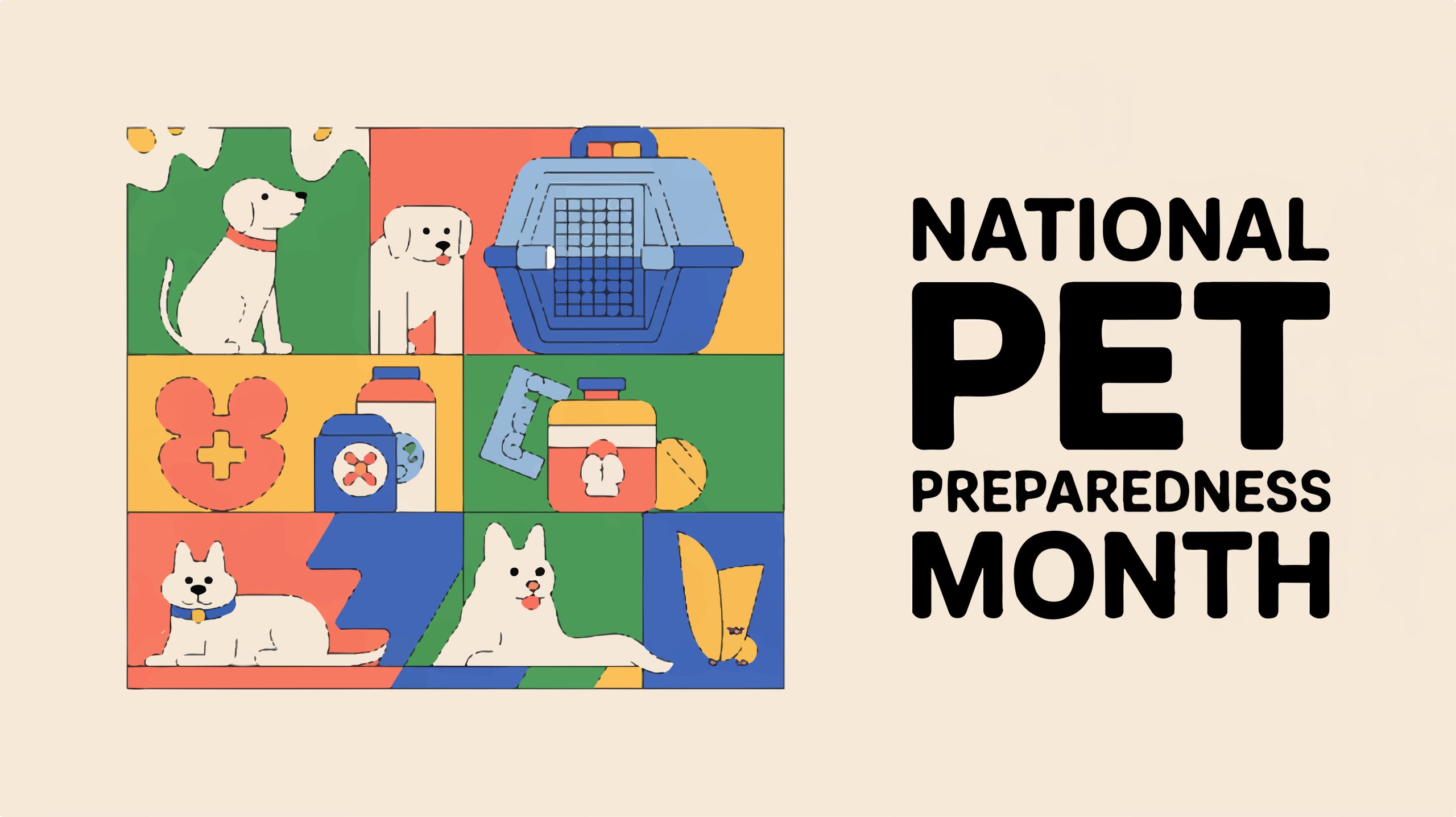
National Pet Preparedness Month

Include Animals in Your Emergency Planning

June is National Pet Preparedness Month, a reminder that emergency planning should include every member of your household, including your pets, service animals, and emotional support animals.

Whether you’re preparing for a wildfire, power outage, severe storm, or another emergency, having a plan in place can help keep both you and your animals safe. For people with disabilities, planning for the needs of service animals and support animals is especially important because these animals often play a critical role in daily life, independence, and well-being.

Why Pet Preparedness Matters

In an emergency, people often have only a few minutes to act. Trying to gather supplies, locate important records, or figure out where your animal can go during a crisis can add unnecessary stress to an already difficult situation.

A little preparation now can make a big difference later.

Build an Emergency Kit for Your Animal

Just as you should have an emergency kit for yourself and your family, you should have one for your animals. Consider including:

  • Food and water for at least several days
  • Medications and copies of prescriptions
  • Food and water bowls
  • Leash, harness, carrier, or crate
  • Waste bags, litter, and cleaning supplies
  • Comfort items such as toys or blankets
  • Vaccination and veterinary records
  • Recent photos of you and your animal together
  • Contact information for your veterinarian

For service animals, include any specialized equipment they use, backup supplies, and information about their training or tasks if needed.

Plan Ahead for Evacuations

If you may need to leave your home during an emergency, identify pet-friendly or service-animal-accessible locations ahead of time.

Remember that service animals are generally allowed in emergency shelters and public accommodations under disability rights laws. However, it’s still helpful to research local shelter options and emergency resources before a disaster occurs.

If you rely on a service animal, consider:

  • Identifying transportation options in advance
  • Creating backup plans if you become separated
  • Keeping identification tags current
  • Carrying emergency contact information for people familiar with your animal’s needs

Don’t Forget Emotional Support Animals

While emotional support animals do not have the same public access rights as service animals, they are often an important source of comfort and stability, particularly during stressful situations.

Emergency plans should include:

  • Adequate food and supplies
  • Veterinary records
  • Safe transportation arrangements
  • Temporary housing options that allow animals

Having these details worked out ahead of time can reduce stress during an emergency and help ensure your support animal remains with you whenever possible.

Create a Support Network

Emergencies can happen when you’re away from home or unable to care for your animal yourself.

Consider identifying:

  • Friends, family members, or neighbors who can assist
  • Backup caregivers familiar with your animal’s needs
  • Local boarding facilities or animal care providers
  • Community emergency resources

Make sure trusted contacts know where supplies, medications, and important documents are located.

Practice Your Plan

Emergency plans work best when they’re practiced. Take time to:

  • Review evacuation routes
  • Practice loading animals into carriers or vehicles
  • Update emergency supplies regularly
  • Check expiration dates on food and medications
  • Confirm contact information remains current

Independence Includes Preparedness

At SNCIL, we know that service animals, emotional support animals, and companion animals are often essential partners in helping people live independently and participate fully in their communities.

National Pet Preparedness Month is a great opportunity to review your emergency plans and make sure every member of your household, including those with four legs, is ready for whatever comes next.

A little preparation today can help protect the people and animals you care about tomorrow.

Mental Health Awareness Month

Mental Health: It’s Part of the Whole Picture

May is Mental Health Awareness Month, and it’s a good reminder that mental health isn’t separate from the rest of our lives. It’s part of everything.

At the Southern Nevada Center for Independent Living (SNCIL), the focus is on independence. And mental health plays a big role in that.

Because when your mental health is off, everything gets harder: making decisions, staying connected, keeping up with daily routines, asking for help.

And for people with disabilities, there can be extra layers:

  • Navigating systems that aren’t always accessible
  • Dealing with isolation or lack of support
  • Managing both physical and mental health needs at the same time

That’s real. And it matters.

Mental Health Is Health

It’s easy to treat mental health like it’s optional or something to deal with “later.” But it’s just as important as physical health.

It affects:

  • How you think and make decisions
  • How you handle stress
  • How you connect with others
  • How you move through your day

Taking care of your mental health isn’t extra. It’s part of taking care of yourself.

What Support Can Look Like

Support doesn’t have to be complicated. It also doesn’t look the same for everyone.

For some people, it might be:

  • Talking to a counselor or therapist
  • Connecting with a peer support group
  • Building routines that feel manageable
  • Taking breaks and setting boundaries

For others, it might start smaller:

  • Getting outside for a few minutes
  • Checking in with a friend
  • Giving yourself permission to rest

There’s no one right way to do this.

Barriers Are Real

Accessing mental health support isn’t always easy.

There can be:

  • Cost barriers
  • Transportation challenges
  • Limited providers
  • Stigma around asking for help

Those barriers are real. And they’re not a personal failure.

It’s okay to take things one step at a time.

You Don’t Have to Do It Alone

One of the biggest pieces of mental health is connection.

Isolation makes everything heavier.
Connection makes things more manageable.

That could be:

  • Friends or family
  • A support group
  • Community programs
  • People who understand your experience

Even one connection can make a difference.

Where SNCIL Comes In

At SNCIL, support includes more than just services. It’s about helping people stay connected, informed, and able to make choices about their own lives.

That might mean:

  • Connecting you to community resources
  • Helping you navigate services
  • Supporting independent living goals
  • Creating space for people to feel heard

Mental health is part of independence. And support should reflect that.

The Bottom Line

Mental Health Awareness Month isn’t about having everything figured out.

It’s about recognizing that mental health matters. And that support should be accessible, realistic, and centered on people’s actual lives.

Start where you are.
Take one step.
Reach out if you can.

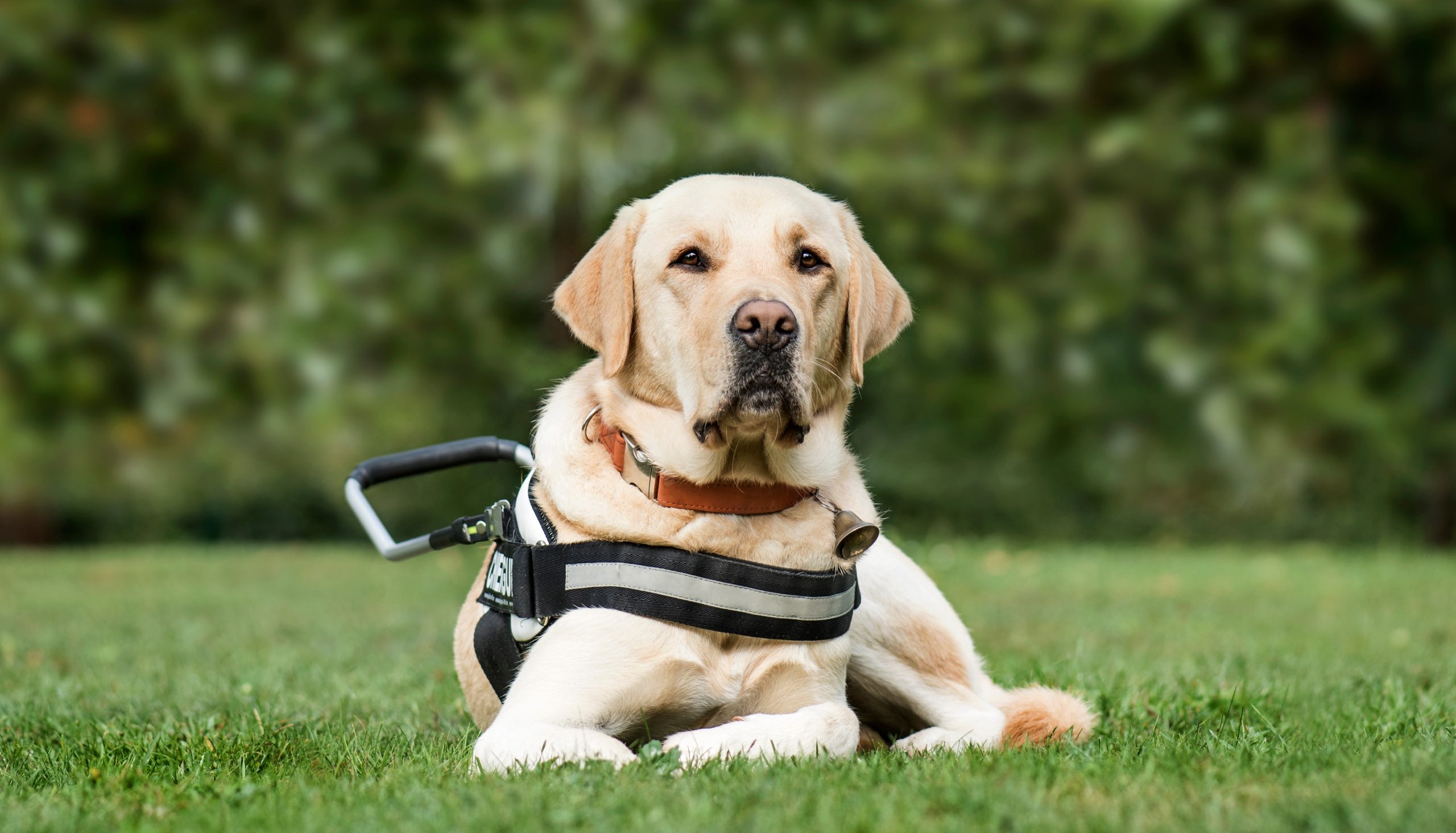
Guide dog Labrador Retriever, 2 years old, in park

Celebrating Partnership, Independence, and Community

Wednesday, April 29 is International Guide Dog Day, a time to recognize the incredible role guide dogs and service dogs play in people’s lives.

Guide dogs are more than companions. They’re highly trained partners who help people who are blind or have low vision navigate the world safely and confidently, avoiding obstacles, stopping at curbs, and helping their handler move through daily life with greater independence.

But guide dogs are just one part of a broader community of service animals that support people with disabilities in many different ways.

More Than a Dog

Service dogs can be trained to assist with a wide range of needs, including:

  • Guiding people who are blind or have low vision
  • Alerting to medical conditions like seizures
  • Supporting people with PTSD or anxiety
  • Assisting with mobility and daily tasks

These dogs are individually trained to perform specific tasks that support their handler’s independence and safety.

Behind every service dog is a network of trainers, volunteers, and organizations working to make these partnerships possible.

Service Dog Organizations in Southern Nevada

Southern Nevada has a strong and growing community of organizations supporting service dog training and placement:

  • Service Dogs of Southern Nevada provides personalized training programs, especially supporting veterans and first responders with service animals.
  • Michael’s Angel Paws trains assistance dogs and has helped hundreds of people build partnerships that support greater independence and daily living.
  • Rescue Dogs For Heroes pairs rescued dogs with veterans, first responders, and others who benefit from service dog support.
  • Guide Dogs for the Blind has volunteer puppy raisers right here in the Las Vegas area, helping prepare future guide dogs for people who are blind or visually impaired.
  • Guide Dogs of America | Tender Loving Canines trains guide dogs and service dogs for people who are blind, veterans, and children with autism.

These organizations, and many others, are helping expand access, training, and support across Nevada.

The Power of Partnership

A guide dog team is built on trust, communication, and teamwork.

The handler provides direction. The dog helps navigate safely. Together, they move through the world as a unit.

It’s a partnership that creates freedom, confidence, and connection, not just for the individual, but for the entire community.

How You Can Support

You don’t have to train a service dog to make a difference.

You can:

  • Support local organizations through donations or volunteering
  • Learn proper etiquette (always ask before interacting with a service dog)
  • Advocate for accessibility and inclusion
  • Share accurate information about service animals and disability rights

Even small actions help create a more inclusive community for everyone.

Celebrating Access and Independence

International Guide Dog Day is a reminder of what’s possible when training, partnership, and community come together.

It’s about access.
It’s about independence.
And it’s about making sure people have the tools and support they need to live the lives they choose.

April is Autism Acceptance Month

Autism Acceptance Month: Moving Beyond Awareness

April is Autism Acceptance Month. And that shift in language matters.

Awareness is knowing autism exists.
Acceptance is creating a world where autistic people are respected, included, and supported as they are.

Autism is a spectrum, which means no two people experience it the same way. Some people communicate differently. Some process sensory input more intensely. Some need support with daily living, while others live independently and advocate for themselves and others.

There’s no one way to “look autistic.” And there’s no one story that defines the experience.

Why Acceptance Matters

Acceptance means recognizing that autism isn’t something to “fix.” It’s part of human diversity.

It means listening to people on the spectrum and valuing their perspectives. It means making room for different ways of thinking, communicating, and interacting with the world.

And it means shifting from, “How do we change this person?” to “How do we make our communities more inclusive?”

Accessibility Is More Than Physical

For many, barriers show up in everyday situations—loud environments, unclear expectations, rushed communication, or systems that don’t allow for flexibility.

Accessibility isn’t just about ramps and doorways. It’s also about how we communicate and design experiences.

That can look like:

  • Sharing clear, step-by-step information
  • Allowing extra time for communication or decision-making
  • Reducing sensory overload when possible
  • Respecting different ways of interacting

These are simple changes that can make a big difference.

Respecting Language and Identity

You may hear different preferences when it comes to language. Some people prefer identity-first language (“autistic person”), while others prefer person-first language (“person with autism”).

The most important thing is to follow the lead of the person you’re talking to.

At SNCIL, we center respect, choice, and self-determination, because people should always have a say in how they’re described.

Building Real Inclusion

Acceptance means more than good intentions. It means making sure autistic people are included in conversations, leadership, and decision-making.

It means recognizing lived experience as expertise.

And it means creating spaces where people don’t have to hide who they are to feel like they belong.

What You Can Do

You don’t have to have all the answers to be part of the solution.

Start by listening.
Be open to learning.
Challenge assumptions.
Create space for different ways of thinking and communicating.

Because Autism Acceptance Month isn’t just about recognizing autism.

It’s about making sure people have the support, access, and opportunities they need to live the lives they choose.

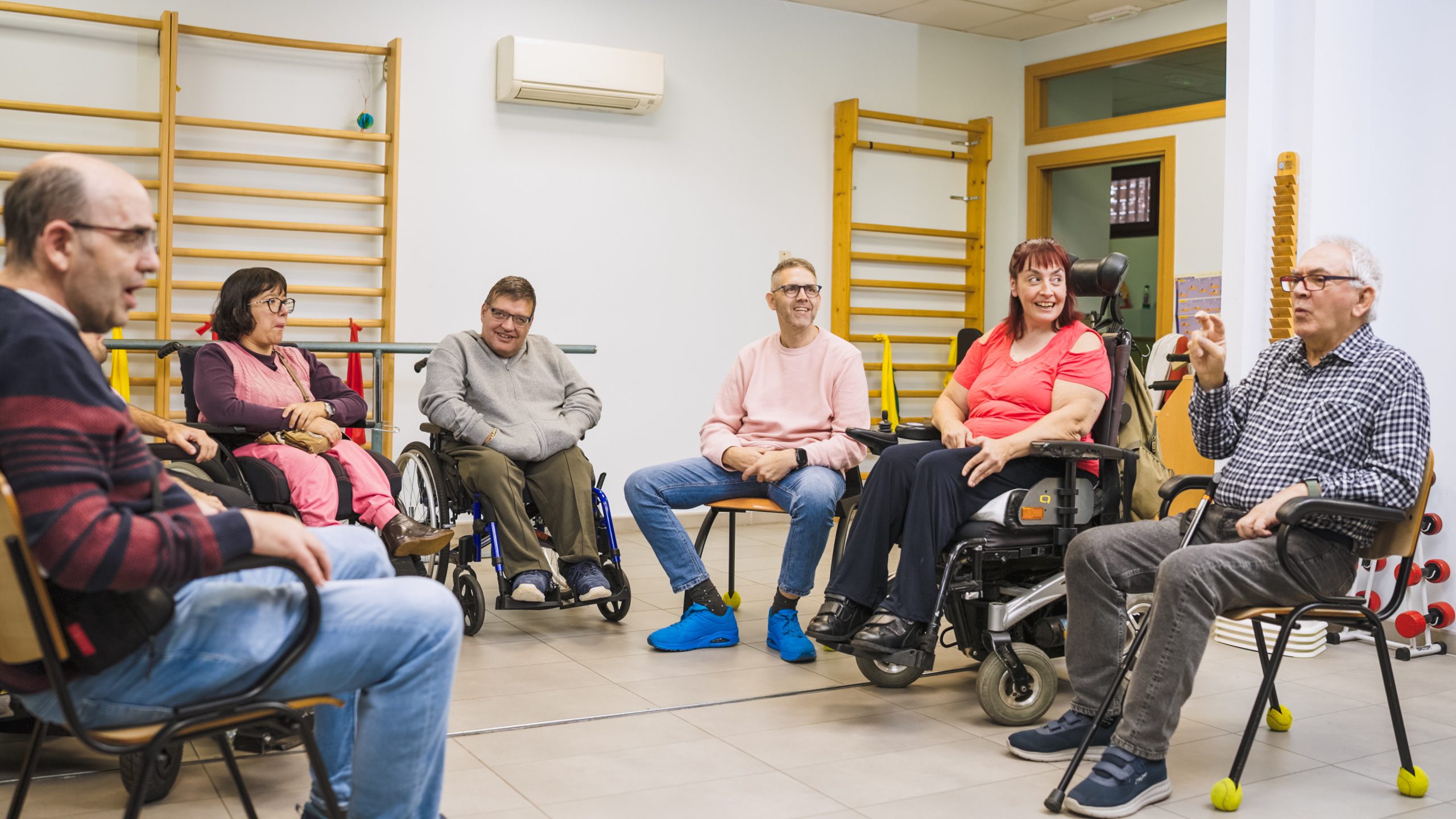
Adults with varying disabilities, spending time together in a support group

The Power of Peer Support

Sometimes the most powerful support comes from someone who truly understands your experience.

That’s the heart of peer support. For people with disabilities, connecting with others who share similar experiences can provide encouragement, practical advice, and a sense of belonging that’s hard to find anywhere else.

Peer support is one of the core services provided by the Southern Nevada Center for Independent Living (SNCIL). It’s based on the idea that people with disabilities are experts in their own lives. And that sharing knowledge, experiences, and encouragement can help others build confidence and independence.

Why Peer Support Matters

Research consistently shows that peer support can have a meaningful impact on well-being. People who participate in peer support often experience:

  • Greater confidence and self-esteem

  • Improved coping skills

  • Reduced stress and feelings of isolation

  • Increased motivation to pursue personal goals

  • A stronger sense of community and belonging

Peer support can happen in many ways. It may take the form of support groups, mentoring relationships, community events, or informal conversations with others who have walked a similar path.

Learning From Shared Experience

Peer support offers something unique: the opportunity to learn from someone who has faced similar challenges and found ways to navigate them.

Whether it’s learning about accessible transportation, exploring employment options, finding housing resources, or adjusting to a newly acquired disability, peer connections can provide insight that professionals alone cannot.

These conversations often lead to practical tips, shared resources, and a reminder that independence doesn’t mean doing everything alone.

Building Community and Independence

At SNCIL, peer support is a vital part of how we help people with disabilities build independent lives. By connecting people with others who understand their experiences, we help create spaces where people can share, learn, and grow together.

Independent living is about having the freedom to make choices, pursue goals, and participate fully in your community. Peer support helps make that possible by building confidence, strengthening connections, and reminding people that they’re not alone on the journey.

If you’re interested in learning more about peer support opportunities or other services offered by SNCIL, we invite you to connect with our team and explore the resources available to you.

Real Love Shows Up as Access and Choice

Real Love Shows Up as Access and Choice

In February, we hear a lot about love. Cards, flowers, and big gestures get most of the attention. But for people with disabilities, real love isn’t about sentiment. It’’s about access and choice.

Love looks like accessible environments, clear information, and systems that respect autonomy. It means listening to people about what they need instead of assuming you know best. It means honoring someone’s right to make their own decisions, even when those decisions don’t look like what others expect.

Too often, people with disabilities are treated as problems to be solved rather than people with full lives, goals, and preferences. That mindset can show up as overhelping, speaking for someone instead of to them, or limiting choices “for their own good.” But real care doesn’t take control away. It creates conditions where people can decide for themselves.

Access is a form of love. So is choice. When transportation, housing, healthcare, employment, and community spaces are accessible, people aren’t forced to depend on others or navigate unnecessary barriers. When people are supported in understanding their rights and advocating for themselves, they gain power over their own lives.

At Southern Nevada Center for Independent Living, we see love in action every day through peer support, benefits counseling, independent living skills training, and advocacy. These services aren’t extras or acts of charity. They’re tools that help people live independently, participate fully in their communities, and make informed choices about their own futures.

When we build communities around access and choice, we’re not just being kind, we’re being just. We’re saying that people with disabilities deserve the same freedom, dignity, and respect as everyone else.

That’s what real love looks like.

Stack of sweaters next to the words: Be Winter Ready

Be Winter Ready: Review the 4 Ps for Freezing Weather

Winter weather in Southern Nevada can be unpredictable. Even if snow and freezing temperatures don’t last long, they can still cause serious problems if you’re not prepared. January is a great time to pause, review your plans, and make sure you’re ready for colder days and nights.

A simple way to remember what matters most during freezing weather is the 4 Ps: People, Pets, Plants, and Pipes. Taking a few steps now can help protect your health, your home, and your independence.

People: Put Health and Safety First

Cold weather can be especially risky for older adults, people with disabilities, and anyone with medical or mobility needs.

A few key reminders:

  • Dress in layers and keep extra blankets nearby.

  • Make sure you have enough medications, medical supplies, and batteries for assistive devices.

  • If you use medical equipment that requires electricity, have a backup plan in case of a power outage.

  • Keep emergency contacts written down and stored in your phone.

  • Check in on neighbors, friends, or family members who may need extra support.

If you must travel, watch weather reports closely and avoid icy conditions when possible.

Pets: Bring Them Inside

Cold temperatures can be dangerous for pets, even those used to being outdoors.

  • Bring pets indoors during freezing weather.

  • Make sure they have warm bedding, food, and fresh (unfrozen) water.

  • Protect paws from cold surfaces and chemicals like ice melt.

  • Never leave pets in cold vehicles.

Pets depend on us to keep them safe — winter is no exception.

Plants: Protect What You’ve Grown

Freezing temperatures can damage or kill plants quickly.

  • Cover outdoor plants with frost cloths, sheets, or burlap.

  • Bring potted plants indoors if possible.

  • Water plants lightly before a freeze to help insulate roots.

  • Move sensitive plants away from cold windows or doors.

A little preparation can save months of work in your garden.

Pipes: Prevent Costly Damage

Frozen pipes can burst, leading to water damage and loss of access to water when you need it most.

  • Insulate exposed pipes, especially in garages or outdoor areas.

  • Let faucets drip slightly during very cold nights.

  • Open cabinet doors under sinks to allow warm air to circulate.

  • Know where your main water shutoff valve is located.

Preventing frozen pipes helps keep your home safe and accessible.

Plan Ahead, Stay Independent

Taking time to prepare helps you stay safe, protect your home, and maintain independence even when the weather changes.

At SNCIL, we encourage everyone to create a personal emergency plan that reflects their unique needs, abilities, and support systems. Preparation looks different for everyone, and that’s okay.

A little planning now can make a big difference later. Stay warm, stay safe, and take care of yourself and your community.

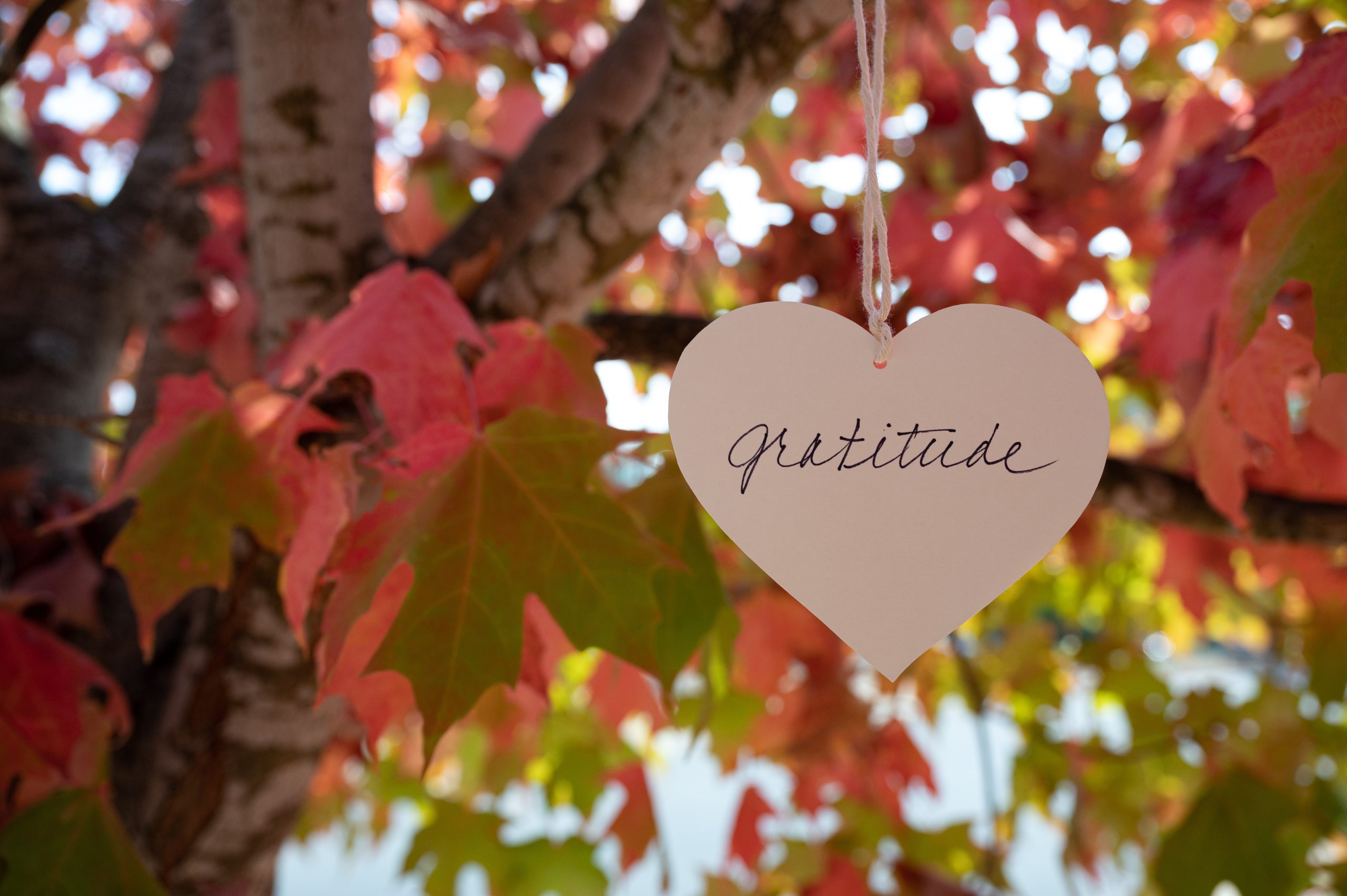
Heart that says Gratitude, hanging in a tree

November is National Gratitude Month

November is National Gratitude Month, and while saying “thank you” may seem simple, research shows that gratitude can have a powerful effect on your health — body, mind, and spirit.

We know that independence and well-being go hand in hand. Practicing gratitude is one of the easiest (and most rewarding) ways to improve both.

Gratitude and Your Mind

When you take time to notice what’s going right — even small things — your brain releases serotonin and dopamine, the “feel-good” chemicals that lift your mood. People who regularly practice gratitude tend to:

  • Feel less stressed and anxious

  • Sleep better at night

  • Experience more optimism and happiness

  • Build stronger, more supportive relationships

Gratitude and Your Body

It’s not just about emotions — gratitude benefits your physical health, too. Studies have found that grateful people often have:

  • Lower blood pressure

  • A stronger immune system

  • Fewer aches and pains

  • A greater motivation to exercise and eat well

When you focus on what you appreciate, your body relaxes, your mind calms, and your overall energy improves.

Gratitude in Everyday Life

You don’t need to make big changes to feel the benefits. Try these simple daily practices:

  • Write down three things you’re grateful for each morning or before bed.

  • Tell someone how they’ve made a difference in your life.

  • Take a short pause in your day to notice something good — a smile, a sunset, a shared laugh.

Gratitude helps us see that even in challenging times, there’s always something to be thankful for — and that positive outlook can make all the difference.